
When stepping into the world of roulette, one of the most crucial decisions you’ll make is choosing between single zero and double zero variants. This choice significantly impacts your potential winnings and overall gaming experience. Understanding the payout differences between European roulette (single zero) and American roulette (double zero) can mean the difference between maximizing your returns and leaving money on the table.
The number of zeros on a roulette wheel fundamentally alters the game’s mathematics, affecting everything from house edge to payout ratios. While both versions offer the same betting options and basic gameplay, the additional double zero pocket in American roulette creates substantial differences in player outcomes. Smart gamblers recognize these distinctions and use them to their advantage when selecting tables.
In the United States, both variants are widely available across casinos, making it essential to understand which version offers better value for your bankroll. The payout structures, probability calculations, and long-term expectations vary considerably between these two popular roulette formats, directly impacting your potential profits and losses.
Understanding Roulette Wheel Variations
Single Zero Roulette Structure
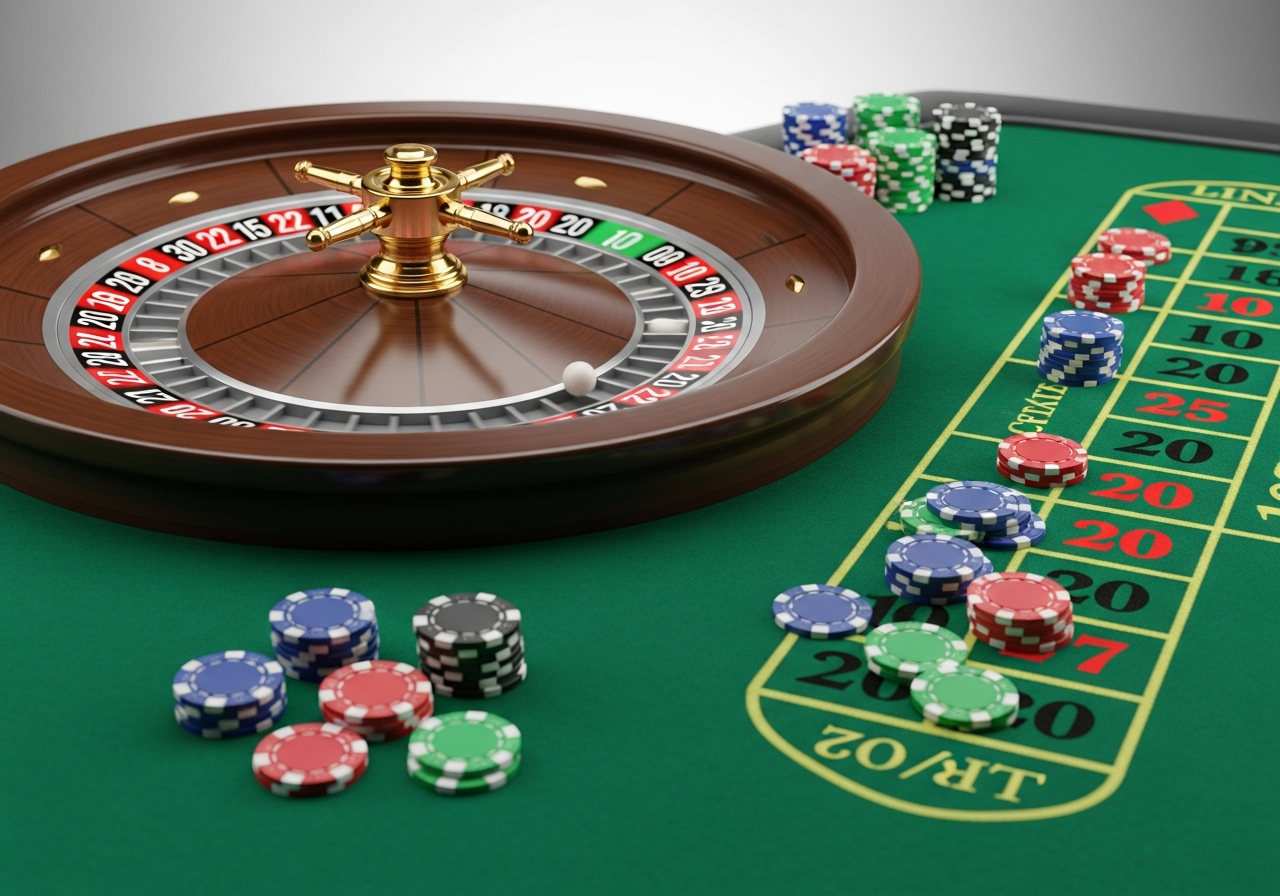
European roulette features a wheel with 37 numbered pockets, including numbers 1 through 36 and a single green zero. This configuration creates the foundation for all payout calculations and probability determinations. The single zero serves as the house’s primary advantage, ensuring the casino maintains its edge over players.
The layout of single zero roulette follows a specific pattern that has remained unchanged for centuries. Red and black numbers alternate around the wheel, while the green zero sits prominently between 32 and 15. This arrangement ensures random distribution and prevents any mechanical advantages that players might attempt to exploit.
Single zero wheels are manufactured to exacting standards, with each pocket precisely sized to ensure fair ball distribution. The wheel’s construction includes specific materials and measurements that comply with international gaming regulations, making it the preferred choice for many professional gambling establishments worldwide.
Double Zero Roulette Configuration
American roulette incorporates 38 numbered pockets, featuring the same 1-36 numbers plus both a single zero and double zero. This additional green pocket fundamentally changes the game’s mathematical foundation, creating different odds and payout expectations for every betting option available to players.
The double zero pocket sits directly opposite the single zero on the wheel, positioned between 1 and 27. This strategic placement maintains the wheel’s balance while ensuring that the additional house pocket doesn’t cluster with the existing zero. The alternating red and black pattern continues around the entire wheel, maintaining visual consistency despite the extra pocket.
American casinos adopted the double zero format to increase their mathematical advantage over players. This modification generates additional revenue for gaming establishments while maintaining the excitement and betting variety that makes roulette popular among casino patrons across the United States.
Payout Structure Analysis
Standard Betting Payouts
Both single and double zero roulette maintain identical payout ratios for all standard bets, despite the different wheel configurations. Straight-up bets pay 35 to 1, split bets pay 17 to 1, and street bets pay 11 to 1 regardless of whether you’re playing European or American variants. This consistency in payout structures often confuses players about the actual differences between the two games.
| Bet Type | Payout Ratio | Single Zero Probability | Double Zero Probability |
|---|---|---|---|
| Straight Up | 35:1 | 2.70% | 2.63% |
| Split | 17:1 | 5.41% | 5.26% |
| Street | 11:1 | 8.11% | 7.89% |
| Corner | 8:1 | 10.81% | 10.53% |
| Six Line | 5:1 | 16.22% | 15.79% |
| Red/Black | 1:1 | 48.65% | 47.37% |
The critical difference lies not in the payout amounts but in the probability of winning each bet. While a straight-up number pays 35 to 1 in both versions, your chances of hitting that number are slightly better on a single zero wheel due to the reduced total number of pockets.
Even-money bets like red/black, odd/even, and high/low demonstrate the most significant practical differences between wheel types. In single zero roulette, these bets win 18 out of 37 spins, while double zero roulette sees them win only 18 out of 38 spins, creating a meaningful impact on long-term results.
House Edge Comparison
The house edge represents the casino’s mathematical advantage over players, calculated as the difference between true odds and payout odds. Single zero roulette maintains a house edge of 2.70% on all standard bets, while double zero roulette increases this advantage to 5.26% across most betting options.
This seemingly small difference creates substantial long-term impacts on player bankrolls. Over extended playing sessions, the additional 2.56% house edge in American roulette compounds significantly, resulting in faster bankroll depletion and reduced winning potential for recreational and professional players alike.
Professional gamblers consistently choose single zero tables when available, understanding that the improved odds translate directly into better long-term results. The house edge difference becomes even more pronounced when considering high-volume play or systematic betting strategies that rely on mathematical advantages.
Mathematical Impact on Winnings
Expected Value Calculations
Expected value represents the average amount a player can expect to win or lose per bet over many trials. For a $10 straight-up bet on a single number in European roulette, the expected value is -$0.27, while the same bet in American roulette carries an expected value of -$0.53. This difference doubles the expected loss rate for players choosing double zero wheels.
Even-money bets demonstrate even more dramatic expected value differences due to their frequency of play. A $10 red bet in single zero roulette has an expected value of -$0.27, compared to -$0.53 in double zero roulette. Players making hundreds of even-money bets per session experience significant cumulative differences in their expected outcomes.
The mathematics become particularly important for players employing progressive betting systems or martingale strategies. The reduced winning probability in double zero roulette increases the likelihood of encountering long losing streaks that can devastate betting progressions and exhaust player bankrolls more rapidly than single zero alternatives.
Long-Term Profit Projections
Statistical analysis reveals that players choosing single zero roulette retain approximately 97.30% of their wagered money over time, while double zero players retain only 94.74%. This 2.56% difference compounds over extended playing sessions, creating substantial variations in long-term outcomes for regular roulette players.
Professional roulette players calculate that switching from double zero to single zero wheels effectively doubles their theoretical playing time with the same bankroll. The improved odds allow for longer gaming sessions and increased opportunities to capitalize on favorable short-term variance that can produce winning sessions.
Recreational players benefit significantly from understanding these projections when planning casino visits or gambling budgets. Choosing single zero tables allows the same gambling budget to provide more entertainment value and better chances of experiencing winning sessions during their casino experience.
Availability in US Casinos
American casinos traditionally favor double zero roulette wheels, with this variant representing approximately 85% of available roulette tables across the United States. This preference stems from the increased house edge that generates higher profits for gaming establishments. However, the growing sophistication of American players has led many casinos to introduce single zero options to attract knowledgeable customers.
Major Las Vegas casinos now offer single zero roulette tables, though they typically require higher minimum bets than their double zero counterparts. Upscale properties like Bellagio, Aria, and Wynn feature European roulette in their high-limit rooms, while some also provide single zero options on their main gaming floors with elevated betting minimums.
Regional casinos across the United States are increasingly adding single zero wheels to their gaming floors in response to player demand. States with competitive casino markets, including Pennsylvania, New Jersey, and Michigan, have seen significant expansion in European roulette availability as properties compete for sophisticated players who understand the mathematical advantages.
Online casinos operating in regulated US markets typically offer both variants, allowing players to choose their preferred wheel type without the restrictions common in brick-and-mortar establishments. This digital availability has educated more American players about the differences between roulette variants, increasing demand for single zero options in physical casinos.
Strategic Betting Considerations
Bankroll Management Differences
Effective bankroll management requires different approaches when playing single zero versus double zero roulette. The improved odds in European roulette allow for slightly more aggressive betting strategies, while the higher house edge in American roulette demands more conservative bankroll allocation to maintain similar playing duration.
- Single zero roulette allows for betting up to 3% of bankroll per spin on even-money bets while maintaining reasonable risk levels
- Double zero roulette requires reducing bet sizes to 2% of bankroll for equivalent risk management due to increased house advantage
- Progressive betting systems perform better on single zero wheels due to improved winning probabilities on even-money propositions
- Flat betting strategies show less dramatic differences between wheel types but still favor single zero options over extended sessions
- Stop-loss limits should be adjusted based on wheel type, with tighter controls recommended for double zero play
Professional players often maintain separate bankrolls for different roulette variants, recognizing that the mathematical differences require distinct money management approaches. This separation allows for optimized betting strategies that account for each wheel type’s specific risk-reward profile.
Optimal Bet Selection
Bet selection strategies must account for the probability differences between single and double zero wheels. Outside bets like red/black, odd/even, and high/low show the most significant improvement in single zero roulette, making them more attractive options for players seeking consistent, lower-variance outcomes.
Inside bets maintain the same payout ratios across both wheel types, but the slightly improved hitting frequency in single zero roulette makes straight-up numbers and split bets marginally more attractive. Advanced players often concentrate their action on single number bets when playing European roulette, taking advantage of the better odds while pursuing higher payout ratios.
Combination betting strategies that blend inside and outside bets perform more effectively on single zero wheels due to the compound effect of improved odds across multiple bet types. Players employing systems that cover large portions of the wheel find their strategies more sustainable and profitable when the house edge is reduced by eliminating the double zero pocket.
Player Advantage Opportunities
Experienced roulette players recognize several advantage opportunities that become more viable on single zero wheels compared to double zero variants. The reduced house edge creates situations where skilled players can implement strategies that approach break-even expectations or even achieve slight positive returns under specific circumstances.
Biased wheel detection becomes more profitable on single zero roulette due to the improved base odds that amplify any mechanical advantages. Professional wheel watchers often focus exclusively on European roulette tables, understanding that identifying even small biases can overcome the lower house edge more easily than the substantial disadvantage present in American roulette.
Dealer signature recognition and visual ballistics techniques show enhanced effectiveness on single zero wheels. The improved mathematical foundation allows skilled practitioners to overcome the house edge when combined with physical prediction methods that identify non-random outcomes based on dealer habits or wheel characteristics.
Promotional opportunities and casino comps provide better value when earned through single zero play. Since the house edge is lower, players receive similar comp rates while experiencing reduced theoretical losses, effectively increasing the value of rewards programs and promotional benefits offered by casinos to attract and retain customers.
Understanding the fundamental differences between single zero and double zero roulette empowers players to make informed decisions that directly impact their gambling outcomes. The mathematical advantages of European roulette are clear and significant, offering better odds, improved expected values, and enhanced long-term prospects for players who prioritize strategic advantage over convenience or familiarity.